

By using this site, you agree to the Privacy Policy and Terms of Use.
Accept
Times Darpan
  • Home
  • Latest
  • Business
  • Economy
  • Explained
  • AI & Future
  • Signals
Reading: What is receivable management and its objectives with effective factor
Subscribe
Hot News
Delhi Protests Businesses loss ₹3,000 Crore; Diwali Losses Could Hit ₹10,000 Crore
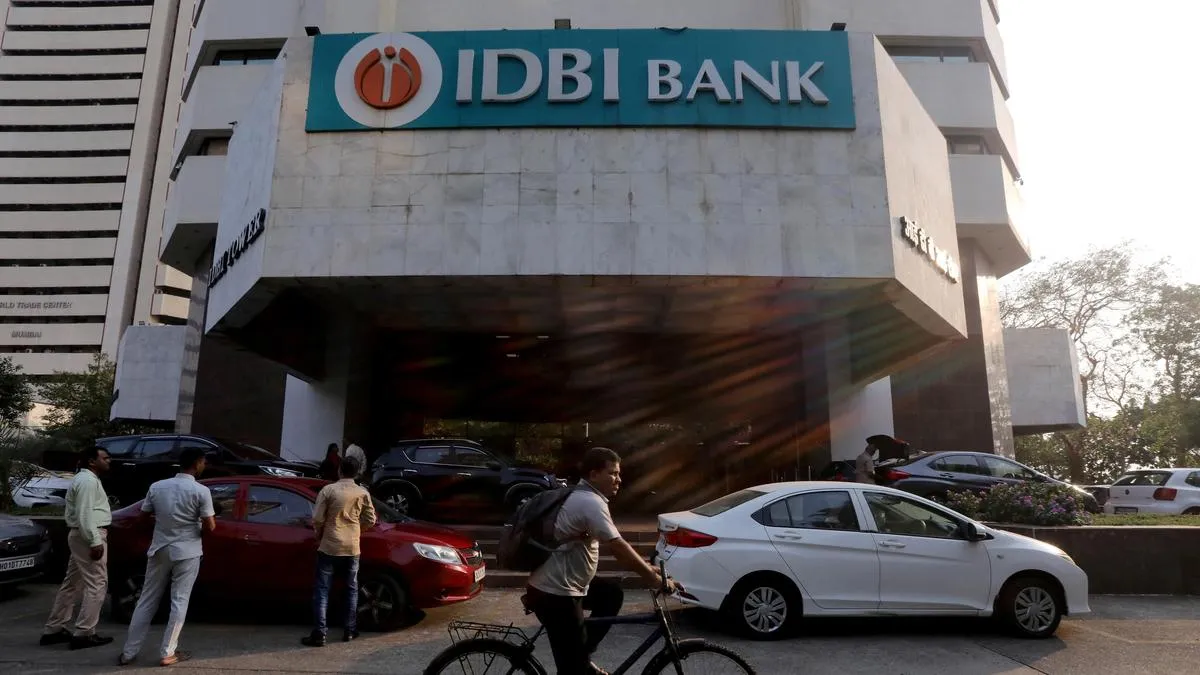
Government Clears the Path for IDBI Bank Disinvestment: The 2003 Law Explained
IMF Issues Warning: AI, Cyberattacks, and High Debt Threaten Global Economy
India and Japan Expand FinTech Ties: UPI Integration and 10 Trillion Yen Investment Discussed
What is a Trade Union? Definition, Structure, and Strategic Measures
Nov 16, 2026
Sign In
Font ResizerAa
Times DarpanTimes Darpan
  • Home
  • Latest
  • Explained
  • Quick Reads
  • Business
  • Finance
  • AI
  • Home
  • Latest
  • Business
  • Economy
  • Explained
  • AI & Future
  • Signals
Follow US
© Times Darpan Magazine. All Rights Reserved.
- Advertisement -
Management & Strategy

What is receivable management and its objectives with effective factor

Last updated: January 19, 2020 9:14 pm
By
TimesDarpan Desk
ByTimesDarpan Desk
TimesDarpan Desk covers the latest updates in business, finance and AI with a focus on speed, accuracy and clear insights
Follow:
January 19, 2020
Share
5 Min Read

What is receivable management? Where to use of receivable management and what is the main objectives of receivable in management? In this article we explained the importance of receivable management in working capital.

The term receivable is defined as debt owed to the concern by customers arising from sale of goods or services in the ordinary course of business.

- Advertisement -

Receivables are also one of the major parts of the current assets of the business concerns. It arises only due to credit sales to customers, hence it is also known as account receivables or bills receivables.

Definition of Receivable management

Management of account defined of receivable “it is the process of making decision making resulting to the investment of funds in these assets which will result in maximizing the overall return on the investment of the firm.

Objectives of Receivable management

The objective of receivable management is to promote sales and profit until that point is reached where the return on investment in further funding receivables is less than the cost of funds raised to finance that additional credit.

- Advertisement -

The costs associated with the extension of credit and accounts receivables are identified as follow:

  • Collection Cost
  • Capital Cost
  • Administrative Cost
  • Default Cost

Collection Cost

This cost incurred in collecting the receivables from the customers to whom credit sales have been made.

Capital Cost

This is the cost on the use of additional capital to support credit sales which alternatively could have been employed elsewhere.

Administrative Cost

This is an additional administrative cost for maintaining account receivable in the form of salaries to the staff kept for maintaining accounting records relating to customers, cost of investigation etc.

- Advertisement -

Default Cost

Default costs are the over dues that cannot be recovered. Business concern may not be able to recover the over dues because of the inability of the customers.

Factor considering the Receivable Size

Receivables size of the business concern depends upon various factors. Some of the important factors are as follows:

  • Sales Level
  • Credit Policy
  • Credit terms
  • Credit Period
  • Cash Discount
  • Management of Receivable

Sales Level

Sales level is one of the important factors which determine the size of receivable of the firm. If the firm wants to increase the sales level, they have to liberalise their credit policy and terms and conditions. When the firms maintain more sales, there will be a possibility of large size of receivable.

- Advertisement -

Credit Policy

Credit policy is the determination of credit standards and analysis. It may vary from firm to firm or even some time product to product in the same industry.

Liberal credit policy leads to increase the sales volume and also increases the size of receivable. Stringent credit policy reduces the size of the receivable.

Credit terms

Credit terms specify the repayment terms required of credit receivables, depend upon the credit terms, size of the receivables may increase or decrease. Hence credit term is one of the factors which affect the size of receivable.

Credit period

It is the time for which trade credit is extended to customer in the case of credit sales. Normally it is expressed in terms of Net days.

- Advertisement -

Cash Discount

Cash Discount is the incentive to the customers to make early payment of the due date. A special discount will be provided to the customer for his payment before the due date.

Management of Receivable

It is also of the factors which affects the size of receivable in the firm. When the management involves systematic approaches to the receivable, the firm can reduce the size of receivable.

Conclusion

At last words, Receivable management plays important role in any organization to operate properly because it is current assets of the business concern.

Related Topic :-

- Advertisement -
  • INVENTORY MANAGEMENT – MEANING, OBJECTIVE AND KINDS OF INVENTORIES
  • KNOWLEDGE MANAGEMENT- DEFINITION, MEANING AND THEIR IMPORTANCE
Share This Article
Facebook Print
ByTimesDarpan Desk
Follow:
TimesDarpan Desk covers the latest updates in business, finance and AI with a focus on speed, accuracy and clear insights
Previous Article Inventory management – Meaning, objective and kinds of Inventories
Next Article These keyboard shortcuts that will increase your working speed
Leave a Comment Leave a Comment
  • Avinash says:
    September 22, 2020 at 11:12 am

    Good article

    Reply
    • Times Darpan says:
      July 17, 2023 at 10:36 pm

      Thanks

      Reply
  • Muse angasa says:
    June 5, 2023 at 7:45 pm

    I found it such an interating ang precise website Thank you

    Reply
    • Times Darpan says:
      July 17, 2023 at 10:33 pm

      Thanks. I hope this article will be useful for you

      Reply

Leave a Reply Cancel reply

Your email address will not be published. Required fields are marked *

- Advertisement -

Must Read

Delhi Protests Businesses loss ₹3,000 Crore; Diwali Losses Could Hit ₹10,000 Crore

Delhi Protests Businesses loss ₹3,000 Crore; Diwali Losses Could Hit ₹10,000 Crore

Government Clears the Path for IDBI Bank Disinvestment: The 2003 Law Explained

Government Clears the Path for IDBI Bank Disinvestment: The 2003 Law Explained

IMF Issues Warning: AI, Cyberattacks, and High Debt Threaten Global Economy

IMF Issues Warning: AI, Cyberattacks, and High Debt Threaten Global Economy

India and Japan Expand FinTech Ties: UPI Integration and 10 Trillion Yen Investment Discussed

India and Japan Expand FinTech Ties: UPI Integration and 10 Trillion Yen Investment Discussed

Quick Reads

Delhi Protests Businesses loss ₹3,000 Crore; Diwali Losses Could Hit ₹10,000 Crore
October 19, 2026
Government Clears the Path for IDBI Bank Disinvestment: The 2003 Law Explained
October 18, 2026
IMF Issues Warning: AI, Cyberattacks, and High Debt Threaten Global Economy
October 16, 2026
India and Japan Expand FinTech Ties: UPI Integration and 10 Trillion Yen Investment Discussed
October 17, 2026
Groww Share Price Drops 10% Due to Early Investors’ Block Deal
May 12, 2026

More From Times Darpan

Delhi Protests Businesses loss ₹3,000 Crore; Diwali Losses Could Hit ₹10,000 Crore

Delhi Protests Businesses loss ₹3,000 Crore; Diwali Losses Could Hit ₹10,000 Crore

Government Clears the Path for IDBI Bank Disinvestment: The 2003 Law Explained

Government Clears the Path for IDBI Bank Disinvestment: The 2003 Law Explained

IMF Issues Warning: AI, Cyberattacks, and High Debt Threaten Global Economy

IMF Issues Warning: AI, Cyberattacks, and High Debt Threaten Global Economy

India and Japan Expand FinTech Ties: UPI Integration and 10 Trillion Yen Investment Discussed

India and Japan Expand FinTech Ties: UPI Integration and 10 Trillion Yen Investment Discussed

What is a Trade Union? Definition, Structure, and Strategic Measures

What is a Trade Union? Definition, Structure, and Strategic Measures

Times Darpan

Your trusted source for business, finance and AI insights, stories and anlaysis.

Categories

  • Explained
  • Business
  • Finance
  • AI & Future
  • AI Hub
  • Quick Reads

Company

  • About us
  • Contact Us
  • Write for Us
  • Privacy Policy
  • Term of Use

Resources

  • Newsletter
  • Sitemap
  • Write for Us
  • Advertise

Popular Topic

  • AI tools for students
  • Business case studies
  • Basic of Finance
  • Management & Strategy

© 2026 Times Darpan — All Rights Reserved.